As the saying goes, “If you don’t like the weather in Missouri, just wait five minutes and it will change.” That was certainly evident throughout the month of February with days of spring-like temperatures followed by bone-chilling cold. Now that we are officially heading into the spring months, it’s a good time to prepare for even more changes during spring severe weather season.
From March 2 – 6, the National Weather Service and the Missouri State Emergency Agency are recognizing Severe Weather Preparedness Week. The focus this year includes threats we see each spring such as lightning, tornadoes, and flooding.
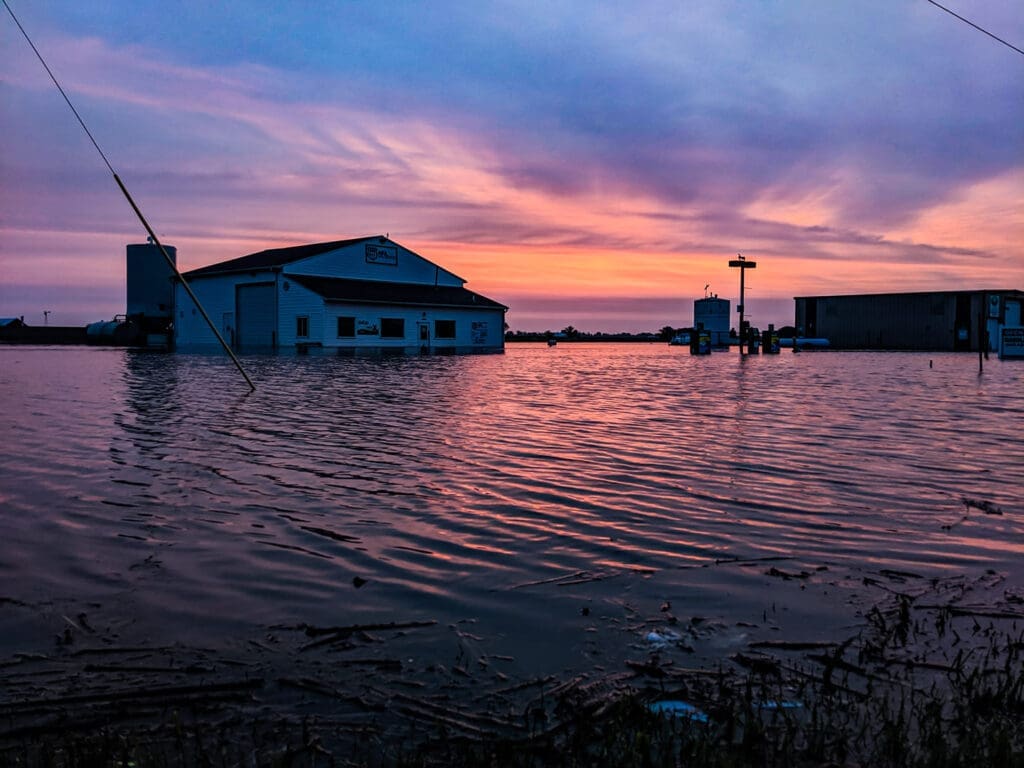
Jackson County Public Health also plays a crucial role in preparedness for our community. The department is responsible for preparing for, responding to, and mitigating public health disasters in Eastern Jackson County. Our team has rapidly responded to spring weather disasters like the Oak Grove Tornado in 2017 and historic flooding in Levasy in 2019, providing important vaccinations, public guidance, and assisting with emergency shelters.
To better prepare our community, we’ve put together the top four severe weather readiness steps every resident of Jackson County should take now before spring storms inevitably rumble into our area:
-
Sign up for alerts. Don’t rely solely on outdoor warning sirens. They’re not meant to be heard inside your home. You can sign up for emergency alerts through many local agencies. A NOAA weather radio with battery backups is the best way to make sure you receive warnings immediately.
-
Identify a safe space. Know where to go in case of severe weather. For tornado warnings, head to the basement or an interior, windowless room on the lowest floor. For homes without basements, that often means a bathroom.
-
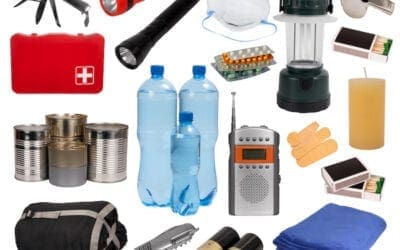
Create or Update Your Emergency Kit. An emergency kit should be kept easily accessible. A good place to keep it is your designated safe space inside your home. It should be stocked with at least three days of water, food, and medication. Other items like a flashlight and a first aid kit are also important to include. If you already have an emergency kit, but it’s been a few years since you made it, now is a good time check expiration dates and update supplies.
-
Create a Plan: Practice severe weather drills, know how to turn off utilities, and designate a meeting spot in case members of your family get separated. Even a simple conversation with your family about your emergency plans can help make sure everyone is prepared.
Even just five minutes of planning now can help protect you and your family when Missouri’s weather changes quickly this spring.
Find more in-depth resources on our Emergency Preparedness page.
Image: Levasy flood (2019), photo by Matt Evans.